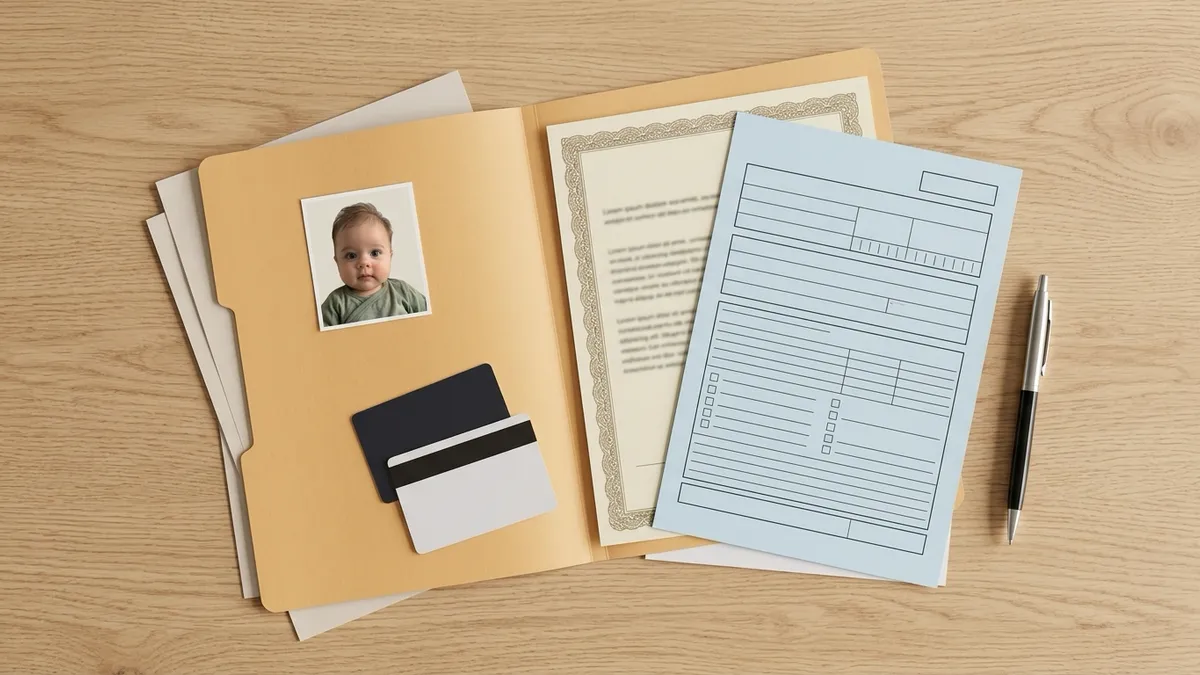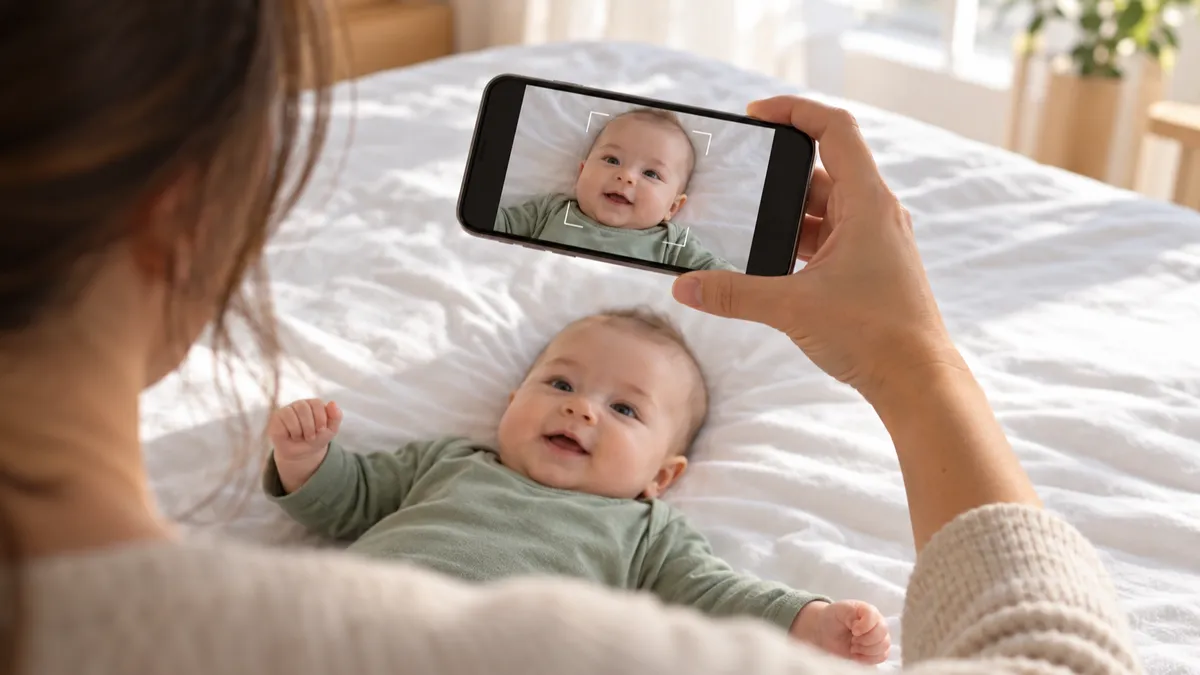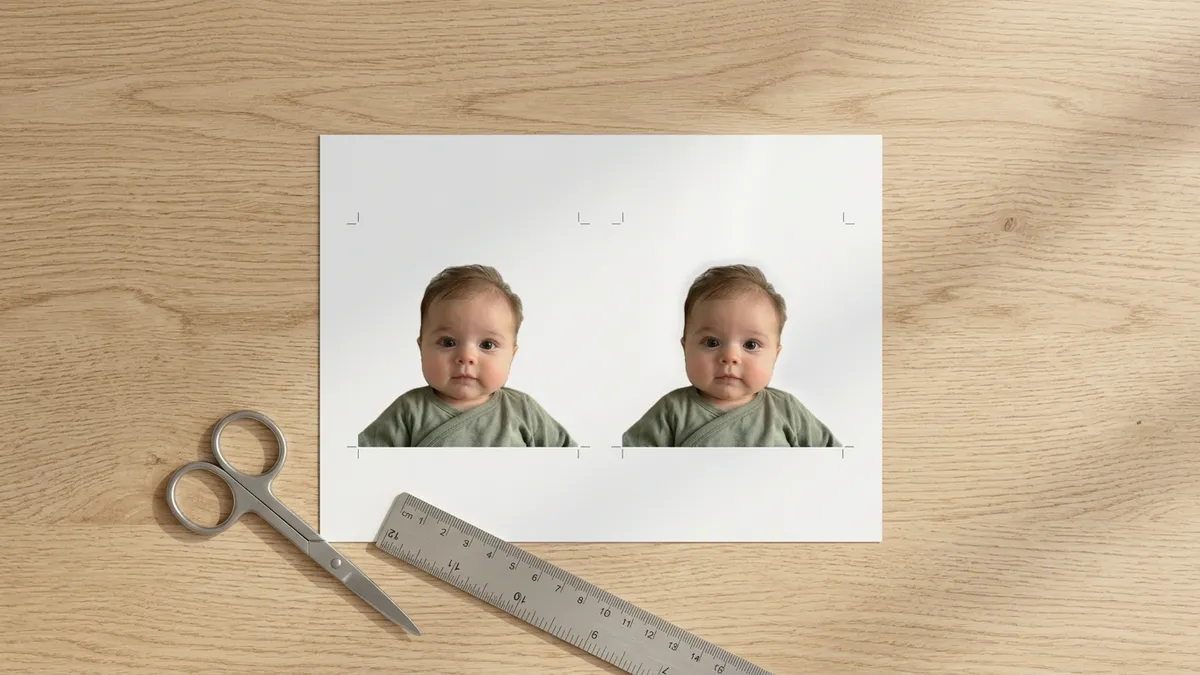
Rules are easier to follow when you can see them. Our baby passport photo requirements page lists what the U.S. State Department and other passport offices ask for. This page shows what those rules look like in an actual photo: good examples first, then the mistakes that get baby photos sent back, with the rule behind each one and how to fix it.
The images here are illustrations we made to show each point. They are not photos of real applicants.
If you already have a photo and want to know which side of the line it's on, upload it to create your baby's 2×2 photo. The tool checks it against the same points below and tells you what to retake.
What an accepted baby passport photo looks like
Every good example below has the same things in common:
- The head is centered and big enough. On a 2×2 inch U.S. photo, the head measures 1 to 1⅜ inches from the bottom of the chin to the top of the head. That's roughly half to two-thirds of the photo's height.
- The background is plain white or off-white, with no shadows, texture, or lines.
- The light is even. Both cheeks are about the same brightness. No dark patches, no blown-out white.
- Nothing else is in the frame. No hands, pacifier, toys, or blanket edges.
- The face points at the camera. Babies get some leeway on expression and head angle, but the whole face has to be visible.
Example 1: Infant passport photo, awake
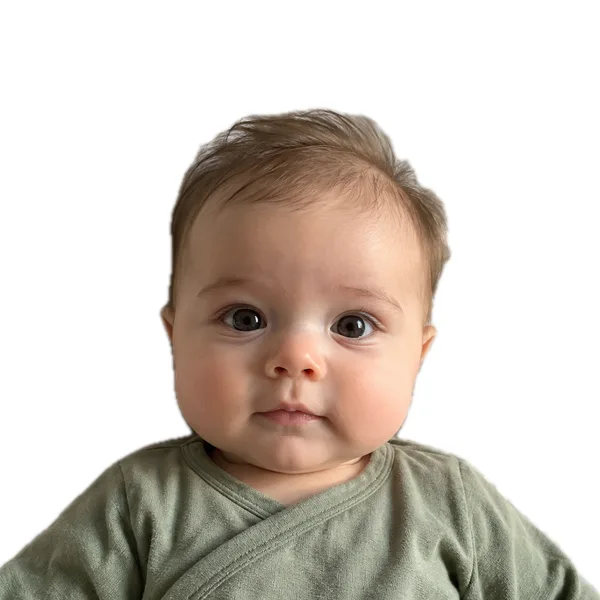
Eyes open, mouth closed, colored top against a white background, head and shoulders centered. This is the photo every parent is hoping for.
Example 2: Newborn passport photo, eyes closed
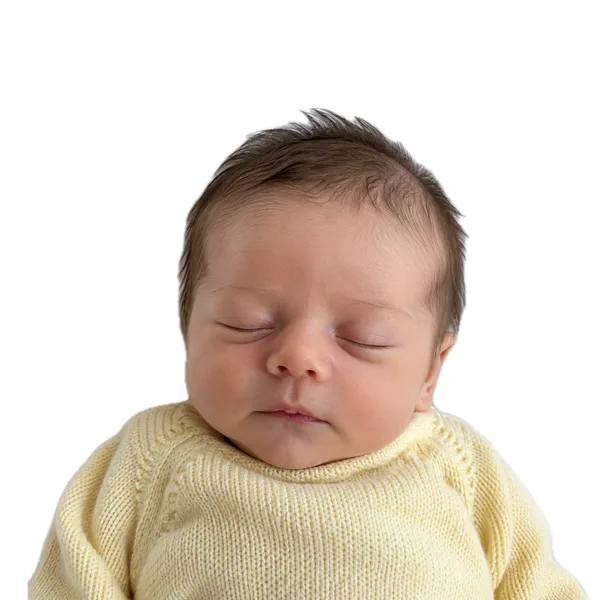
This is an example of an infant passport photo that works for the U.S.: the State Department says it's okay if a baby's eyes are not entirely open. The UK also allows closed eyes for babies under 1. New Zealand doesn't; it asks for a baby's eyes to be open. All other children need open eyes for a U.S. passport too.
Example 3: Taken in a car seat
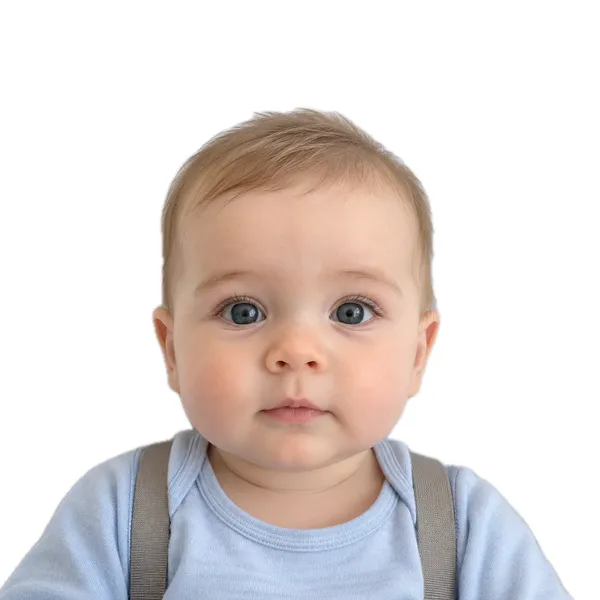
A white sheet pulled tight over the car seat gives a plain background, and no part of the seat shows around the head. The State Department suggests this setup for babies.
Example 4: A toddler
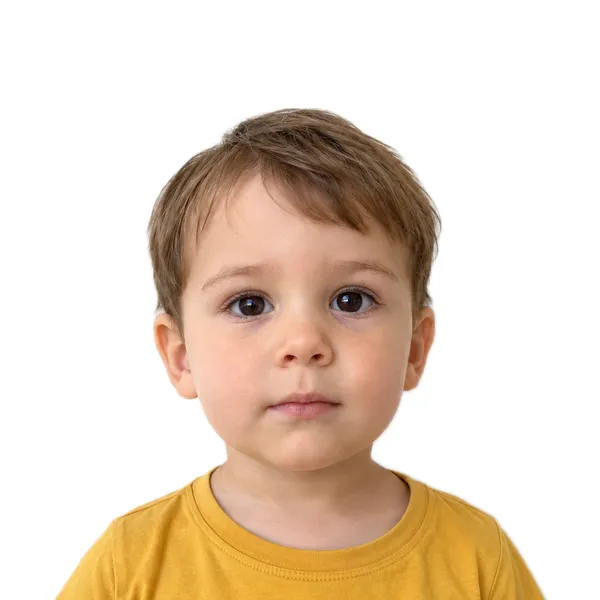
Once your child is past the baby stage, the rules tighten: eyes open, facing the camera, a neutral expression.
From a phone photo to the finished print
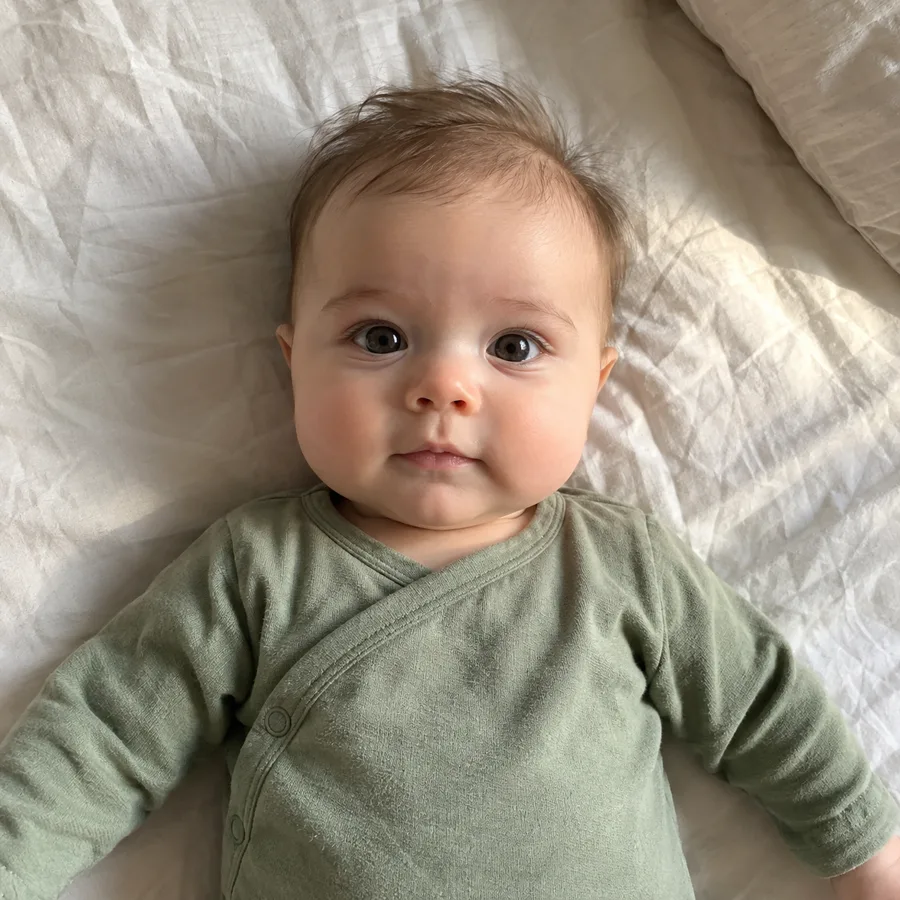
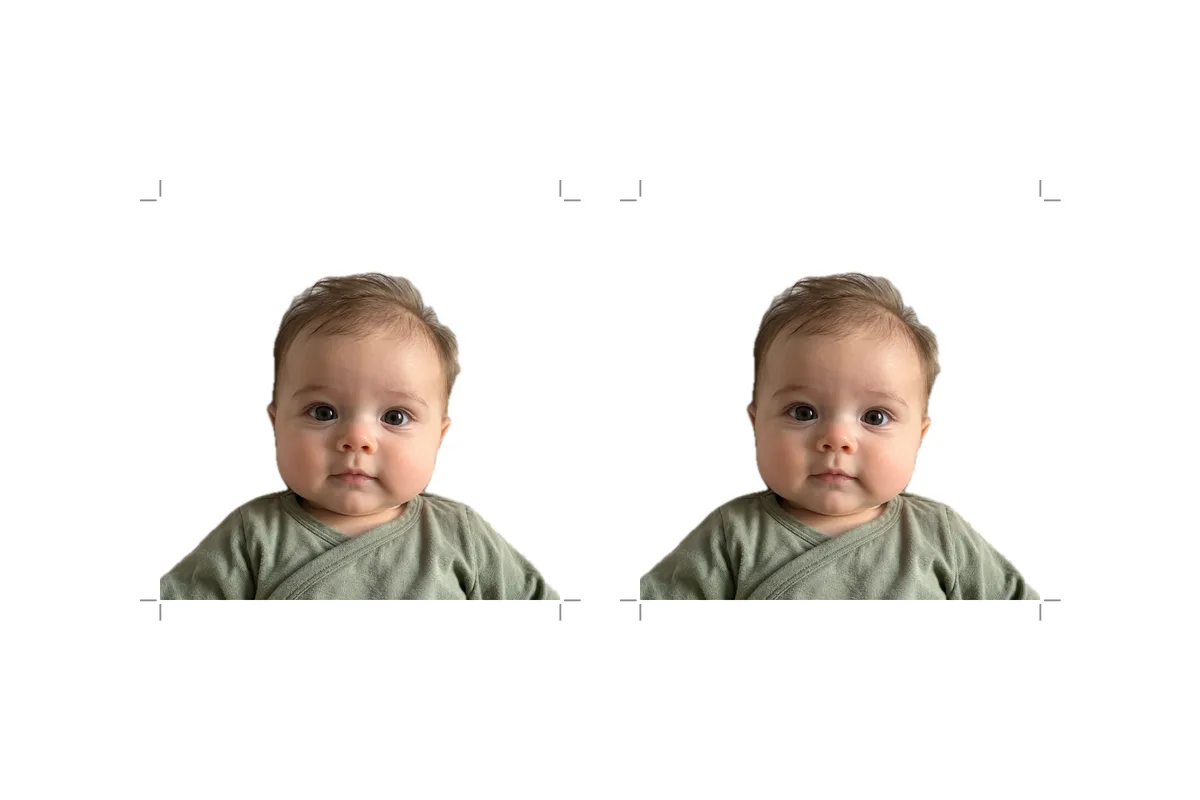
The first shot is what you take at home: a baby on a sheet with space around the head. The second is the same photo cropped to 2×2 and laid out on a 4×6 sheet that prints at any photo counter.
Rejected baby passport photo examples: 8 reasons and how to fix them
These are the problems parents most often report in passport forums, matched to the official rule each one breaks.
1. A shadow across the face
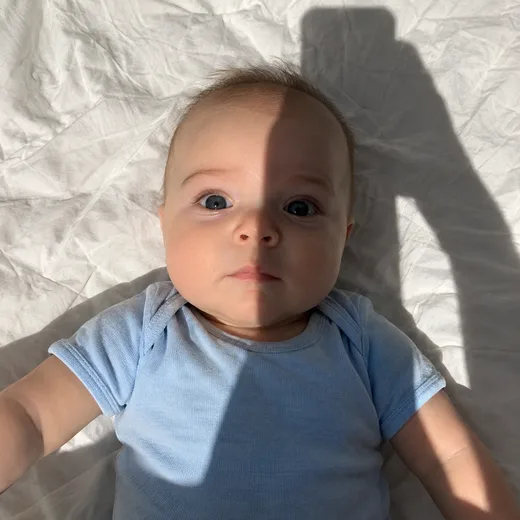
The rule: The State Department asks for no shadows on the face or in the background (State Department). Lighting must be even, not overexposed or underexposed.
What happens: U.S. parents describe photos refused because one cheek was much brighter than the other, even after store software said the photo passed.
The fix: Use soft daylight from a window. Turn off ceiling lights, don't use the flash, and stand where your body doesn't block the light.
2. A parent's hand in the photo
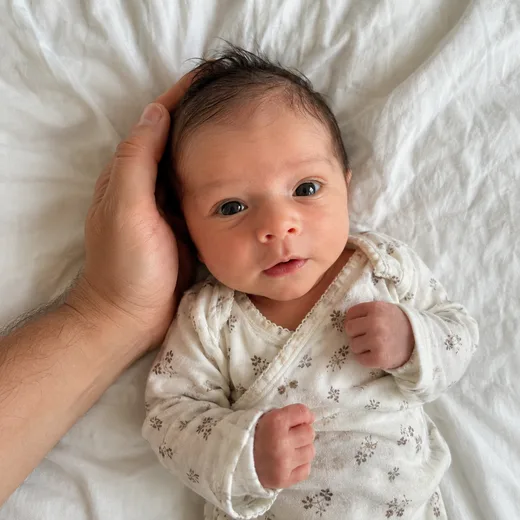
The rule: No other person can be in the photo. The State Department shows a child's face covered by a hand as unacceptable. The UK says your hand can support your baby's head but must not be visible (GOV.UK). Australia lists a parent's hand in the photo as a reason for rejection.
What happens: Some photos with visible fingers have passed. Others were refused at the counter for a single thumb. You won't know which kind of agent you'll get.
The fix: Support the head from under the sheet or with rolled towels, or use a car seat. Our tool doesn't erase hands, because that means redrawing part of the head. It flags them and asks for a retake.
3. A pacifier
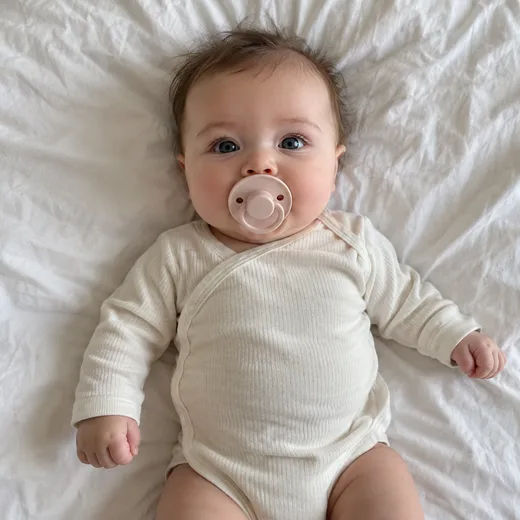
The rule: The State Department shows a pacifier covering part of a child's face as an unacceptable example. The UK says babies can't have a dummy in the photo.
The fix: Take it out a few seconds before you shoot. Have your helper hold it ready, out of frame, for the moment your baby fusses.
Notice the white onesie too. White clothes on a white sheet make the shoulders hard to see. A colored top is safer.
4. A wrinkled, gray, or textured background
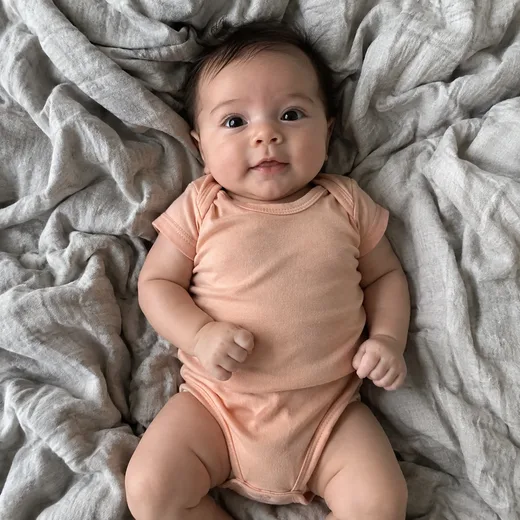
The rule: The background must be white or off-white, free of shadows, and plain, without texture, objects, or lines. The State Department's own examples show a blue background as unacceptable.
What happens: U.S. parents report rejections for small blanket wrinkles. In New Zealand, a parent's pale gray sheet was rejected and had to be redone on white.
The fix: A smooth white sheet pulled tight, or a sheet over a stiff white poster board.
5. Too bright or too dark
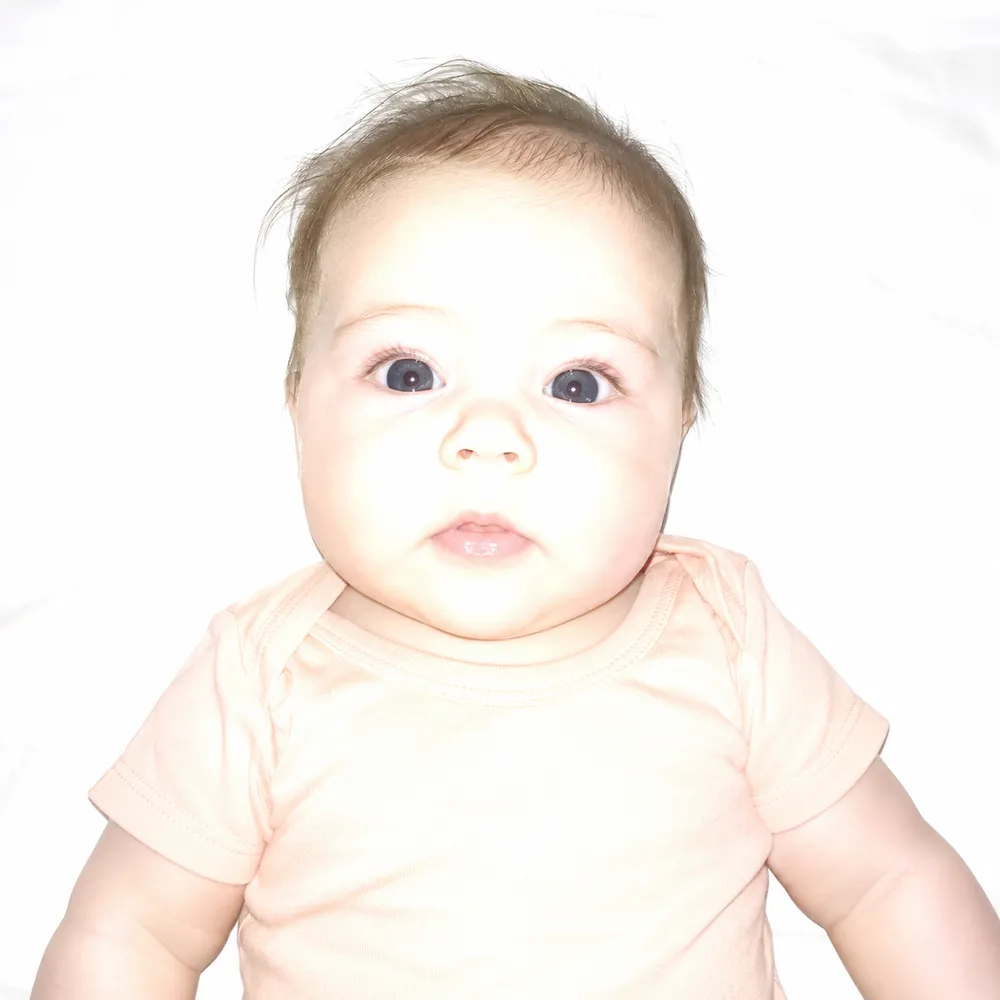
The rule: The photo can't be overexposed or underexposed, and it must show natural skin tone.
What happens: A parent paid for a Post Office photo of their baby that was later rejected as overexposed, and had to get a new one elsewhere.
The fix: Skip the flash. Shoot in bright, indirect daylight. Check that you can still see detail in the white sheet and in your baby's face.
6. Head too small, or cut off
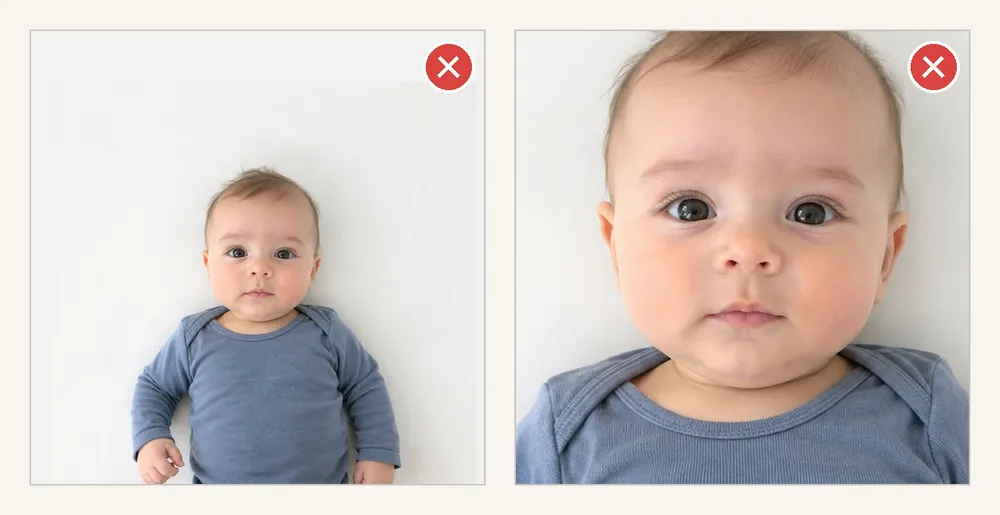
The rule: On a U.S. photo, the head must be 1 to 1⅜ inches from chin to the top of the head, centered, with the whole head showing.
What happens: One U.S. family got a letter asking for a closer photo of their baby. In New Zealand, parents report home photos rejected several times because the head was too small.
The fix: When you shoot, leave space around the head and shoulders, then crop to the right size. Never crop so tight that the top of the head is cut off.
7. Toys, blanket edges, or other objects
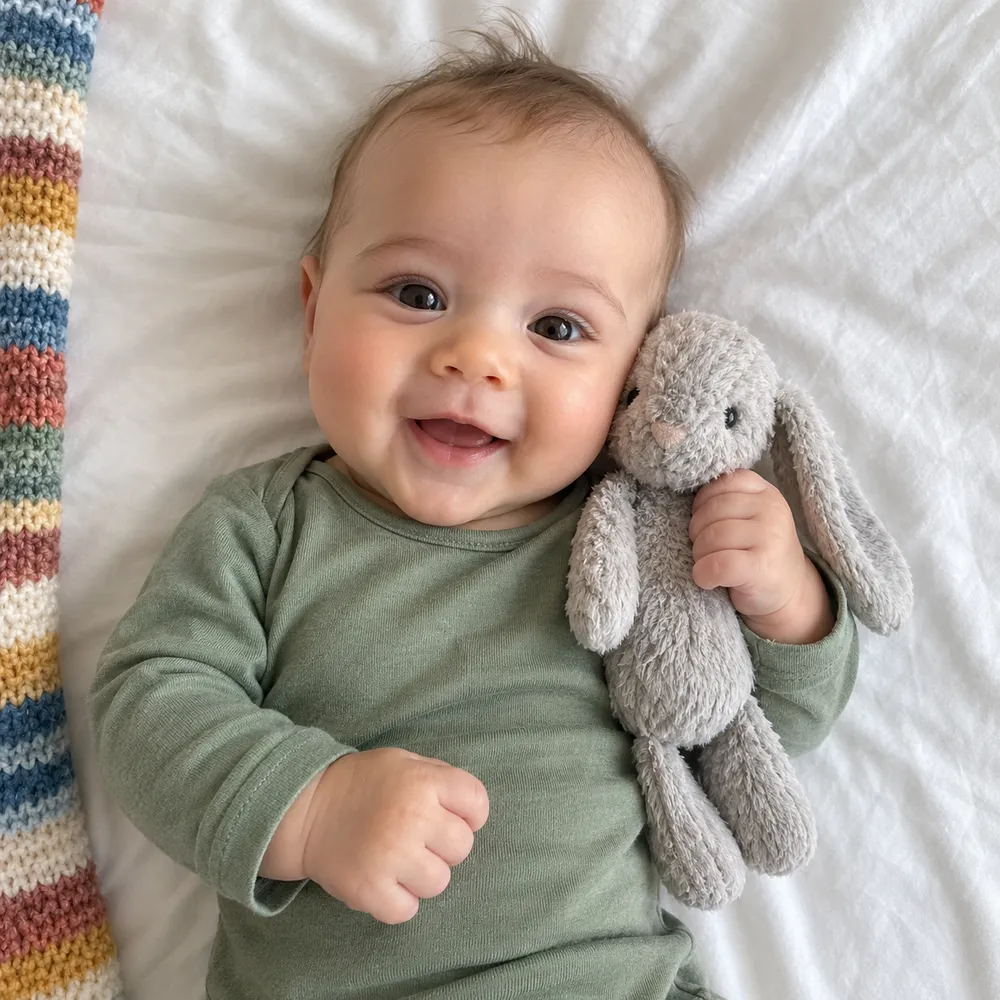
The rule: The background must have no objects. Australia lists "object in the photo" as a reason for rejection, and New Zealand says no other people or objects should be visible.
The fix: Use toys to get your baby's attention, but hold them above the camera, out of the frame. Check the edges of every photo for blankets, burp cloths, and the car seat.
8. Filters, retouching, or a mirrored image
The rule: The State Department asks for the original photo without filters, and says not to fix red eye with software but to retake the photo. The UK rejects mirrored (flipped) photos.
The fix: Use the rear camera with no filters, beauty mode, or Portrait mode. Our tool never retouches the face, changes skin tone, fixes red eye, or flips the image; apart from cropping, it only cleans up the background. It can't tell whether a photo is mirrored, so check that yourself. The safest background is still a real white sheet, which is what the State Department asks for.
Close calls that passed, and why you shouldn't count on them
Parents in forums share plenty of photos that passed with flaws: a surprised face, a slight head tilt, fingers at the edge, a tiny shadow behind an ear. The State Department's Foreign Affairs Manual does say head tilt is acceptable for infants.
The same forums also have photos refused for a crease in the sheet or a few fingers. Acceptance agents do a first check at the counter, but the passport agency makes the final decision, and the two don't always agree. If you have a trip coming up, aim for the clean version.
How examples differ by country
- United States: baby's eyes may be closed; white or off-white background; one printed 2×2 photo.
- United Kingdom: babies under 1 may have closed eyes; no hand visible; no mirrored photos; the photo must be taken in the last month. See how to create a UK baby passport photo.
- New Zealand: eyes must be open; baby lies on a plain light sheet, photographed from above. See our NZ baby passport photo page.
- Australia: children under 3 may have their mouth open; no one else visible; photos must be printed on heavy glossy paper. See Australian baby passport photo rules.
FAQ
Why was my baby's passport photo rejected?
The most common reasons parents report are uneven light or shadows on the face, a wrinkled or non-white background, a hand in the frame, and the head being too small. If you received a letter or notice, check the reason it gives, fix that one thing, and retake the photo.
What does an acceptable baby passport photo look like?
A centered head and shoulders on a plain white or off-white background, even light on both sides of the face, and nothing else in the frame. For a U.S. passport, a baby's eyes don't need to be fully open.
Will the acceptance agent catch problems with the photo?
Sometimes. Agents at the Post Office or another acceptance facility check the photo when you apply, but the passport agency reviews it again. Parents report photos that passed the counter and store software and were still sent back later.
Are the photos on this page real passport photos?
No. They're illustrations made to show each rule clearly. They're not photos of real applicants.